
Avoid These Errors for a Perfect Garden Look
Installing mulch in your yard is an excellent way to boost its appearance and keep your plants healthy. However, many homeowners make common mistakes during this process that can lead to less-than-desirable outcomes. By understanding these pitfalls and how to avoid them, you can ensure that your garden stays both beautiful and functional. This guide will walk you through the most typical errors made during mulch installation and offer tips on how to achieve the best results.
Choosing the Wrong Type of Mulch
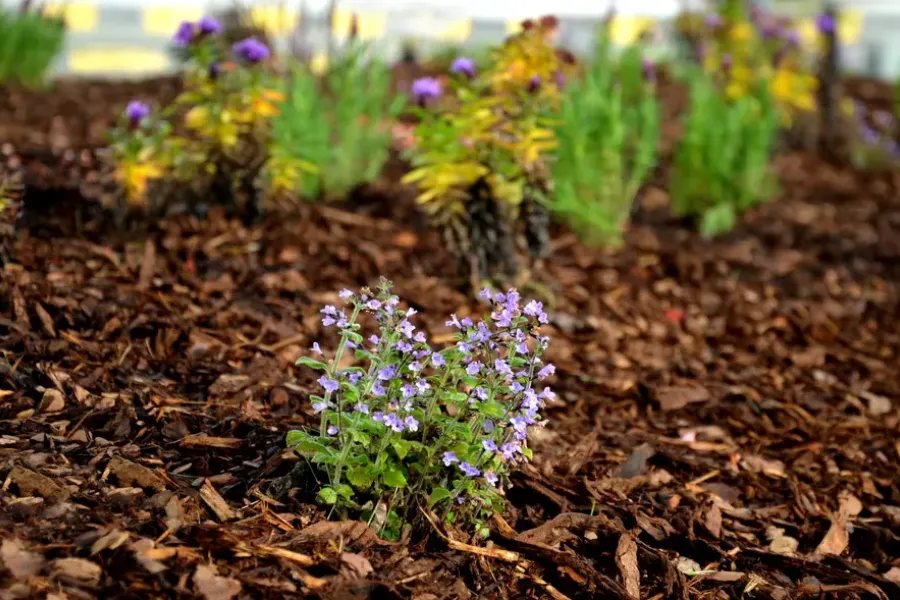
One of the first mistakes many people make is selecting the wrong type of mulch for their specific needs. There are various types of mulch, including wood chips, bark, straw, and even rubber. Each type serves different purposes and suits different environments. For example, wood chips are excellent for moisture retention but may not be ideal for vegetable gardens. It’s essential to consider what you aim to achieve with your mulch installation before making a selection.
Incorrect Mulch Thickness
The thickness of your mulch layer plays a crucial role in its effectiveness. Too little mulch won’t provide enough protection against weeds or help retain soil moisture. On the other hand, too much mulch can suffocate plant roots and hinder water penetration. A general rule of thumb is to apply a 2-3 inch layer for most areas. During your mulch installation, ensure you measure accurately to maintain this optimal thickness.
Poor Preparation Before Installation
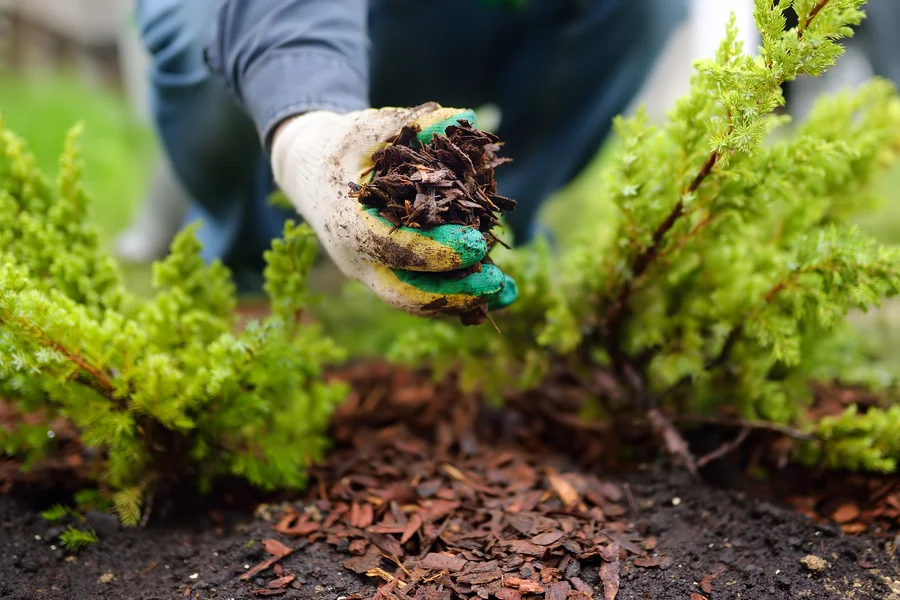
Skipping proper preparation is another frequent mistake. Before you begin the process, clear away any debris or existing weeds from your garden bed. This step is crucial because leftover weeds can sprout through the new mulch layer, defeating the purpose of weed control. Take time to cultivate the soil lightly to allow better integration between soil and mulch materials during mulch installation.
Ignoring Edging Needs
Without proper edging, mulch can easily spill over onto paths or lawns, causing a messy look and potential plant damage. Edging acts as a boundary to keep mulch confined within a specific area. Options such as metal, plastic, or stone edging are available depending on aesthetic preferences and budget constraints. Invest in quality edging materials to maintain neatness after installing your mulch.
Neglecting Plant Health Concerns
Mulch should never touch the stems or trunks of plants directly. Doing so can invite pests and diseases by trapping moisture around the base of the plant. Ensure there’s some space between the edge of the mulch and each plant’s base, roughly 1-2 inches apart, to promote good air circulation and prevent issues.
Overlooking Long-Term Maintenance
Lastly, many overlook the importance of maintaining their mulch throughout the year. Mulch naturally breaks down over time, necessitating occasional top-ups to sustain its benefits. Regularly check your garden beds for areas where mulch has thinned out due to decomposition or weather conditions, adding more as needed to retain an even layer.
- Choose the right type of mulch for your needs
- Maintain a consistent 2-3 inch layer
- Cultivate soil and remove debris before applying
- Install effective edging materials
- Create space between mulch and plant bases
- Plan for regular replenishment
Your Next Step With Mulch Installation Success
Creating a stunning and sustainable yard doesn’t have to be challenging if you avoid these common mistakes when installing mulch. By following expert advice and implementing best practices, you’ll set your garden up for success. If you’re ready to transform your outdoor spaces into something truly remarkable, contact Gotta Guy Landscaping Services at (571) 506-3401 today. Our team is based in Gainesville, VA, providing expert services tailored to meet all your landscaping needs.