
The Role of Choosing the Right Plants in Effective Landscaping
Selecting the right plants is crucial for achieving successful landscaping outcomes. When you choose plants that are well-suited to your environment, it leads to a vibrant and thriving landscape. The process involves more than just picking visually appealing plants; it’s about understanding how different plant species interact with each other and their surroundings. By making informed decisions, you can ensure that your landscape not only looks beautiful but also remains healthy over time.
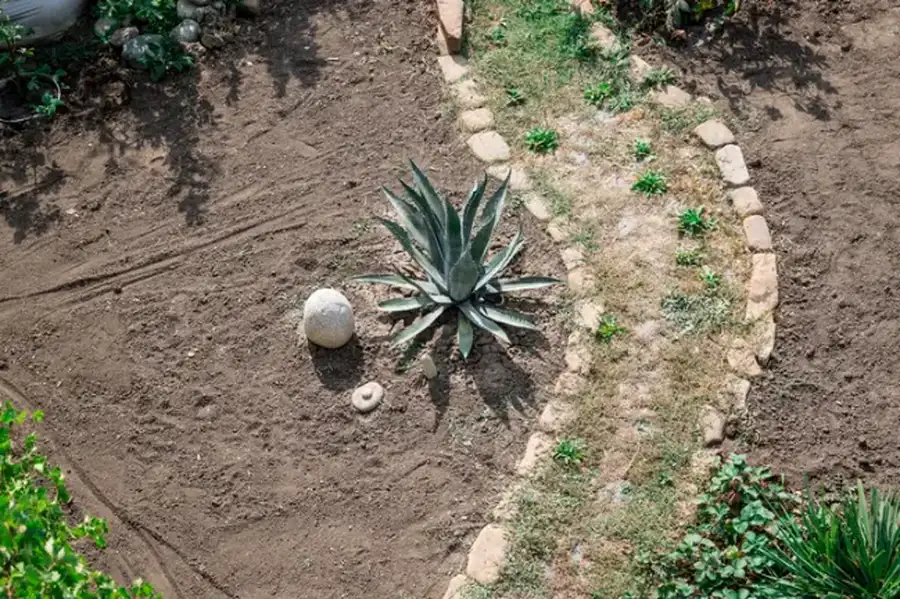
Importance of Plant Selection in Landscaping Projects
A thoughtful approach to plant selection ensures that every aspect of your landscaping project aligns with its intended purpose. The key lies in understanding how each plant’s growth patterns and requirements fit into your overall design. This consideration directly impacts the success of your landscape installation. When plants are chosen wisely, they thrive without excessive maintenance efforts, giving you a sustainable and visually pleasing outdoor space.
Common Issues From Poor Plant Choices
Poor plant choices can lead to several problems within your landscape. Plants that aren’t suited to the local climate or soil may struggle to grow, resulting in unsightly gaps or dead patches. Additionally, certain plants might outcompete others for resources, disrupting the balance of your landscape installation. These issues not only diminish the aesthetic appeal but also increase maintenance costs and efforts.
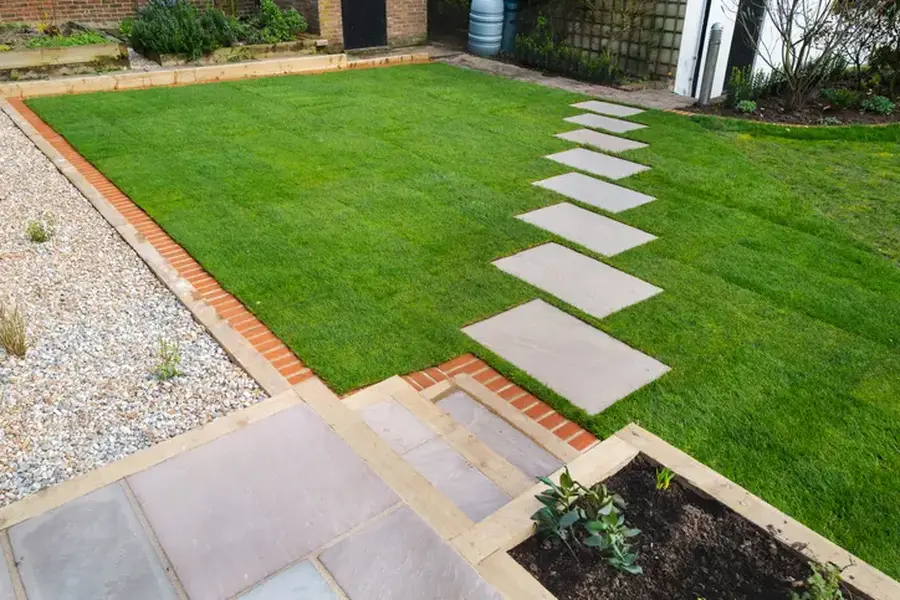
Steps for Effective Plant Selection
An effective plant selection process starts with analyzing your site’s conditions. Consider factors such as sunlight exposure, soil type, and water availability. Once you’ve gathered this information, select plants that naturally thrive under these conditions. The next step is to prioritize diversity by choosing a mix of trees, shrubs, and ground cover that complement each other. This strategy supports ecological balance and enhances visual interest.
- Assess sunlight exposure across different areas
- Test soil composition to understand nutrient levels
- Select native plants adapted to local conditions
- Choose a variety of plants for diverse textures and colors
Best Practices for Selecting Plants
When selecting plants, prioritize those native to your region. Native plants have adapted to local climates and require less water and care. Another best practice is considering the mature size of plants to avoid overcrowding as they grow. It’s also wise to consult with experts who can provide insights tailored to your specific needs, ensuring your landscape remains both functional and beautiful.
The Impact of Climate on Plant Choice
Your local climate plays a significant role in determining which plants will thrive. Understanding the temperature ranges and seasonal changes in your area helps in choosing plants that are resilient throughout the year. Incorporating drought-tolerant species can be particularly beneficial in regions prone to dry spells, reducing the need for frequent irrigation and supporting sustainable landscape practices.
Cost Implications of Correct Plant Selection
Choosing the right plants initially saves money in the long term. While some plants might appear costlier upfront, their ability to thrive reduces future expenses related to replacement and maintenance. Moreover, a well-planned landscape enhances property value, offering a return on investment that extends beyond aesthetics to financial benefits.
Concluding Insights on Landscape Success
Making informed plant selections is pivotal for achieving desirable results in any landscaping project. It requires careful consideration of environmental conditions, plant characteristics, and sustainability goals. At Gotta Guy Landscaping Services, we’re dedicated to helping you create landscapes that stand the test of time while enhancing your property’s beauty. Contact us at (571) 506-3401 for expert guidance in crafting your perfect outdoor space. Based in Gainesville, VA, our team is ready to assist you with all your landscaping needs.