
Selecting the Perfect Flora for Your Outdoor Space
Choosing plants for your garden involves more than just picking what looks nice. The right selection can enhance your outdoor area by adding color, texture, and even fragrance. This guide will help you understand how to select plants that work well together and complement your landscape’s overall design. By considering factors like climate, soil type, and sunlight exposure, you can create a harmonious garden that thrives.
Understanding Plant Selection Basics
Before diving into specific plant choices, it’s essential to get the basics right. Consider the climate of your area and choose species that are native or well-suited to it. Native plants typically require less maintenance because they are already adapted to local conditions. Additionally, assess the amount of sunlight different parts of your yard receive as this influences which plants will thrive there.
The Role of Soil in Plant Choice
The type of soil in your garden affects plant health significantly. Some plants prefer well-draining sandy soils, while others thrive in moisture-rich clay soils. You can test your soil type with simple kits available at most garden centers. Once you know your soil type, select plants that match its characteristics for best results.
Incorporating Colors Effectively
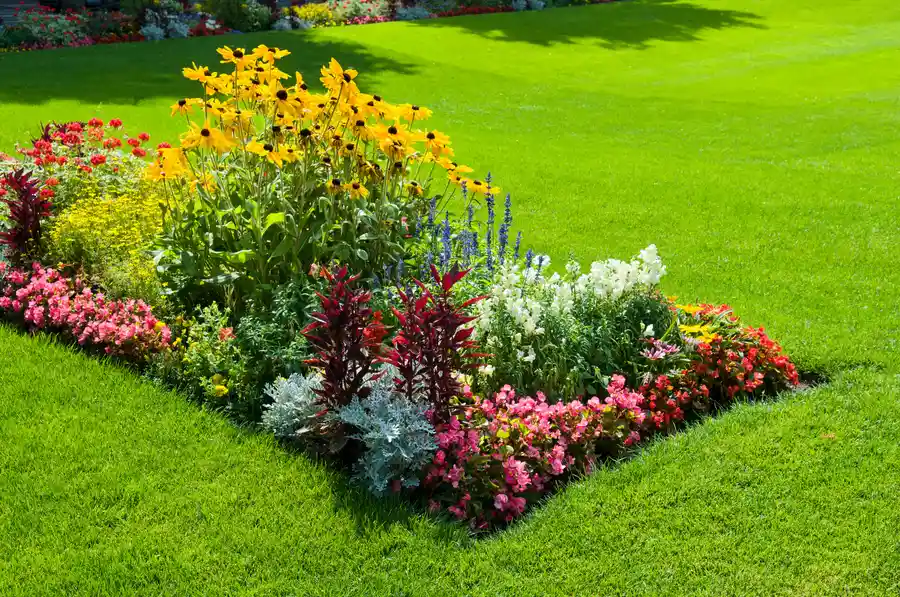
Color plays a vital role in creating a stunning landscape design. When choosing flowers and foliage, think about complementary colors that will make each other pop. For example, purple and yellow are opposites on the color wheel and create vibrant contrasts. Use these combinations strategically to highlight certain areas of your garden.
Consider Water Requirements
Not all plants have the same water needs. Grouping plants with similar watering requirements ensures efficient irrigation and healthier growth. Drought-tolerant plants, such as succulents and native grasses, work well together in dry climates. In contrast, tropical plants may need regular watering and should be planted close to a water source.
Height and Structure Balance
A well-balanced landscape includes varying plant heights and structures. Tall trees and shrubs can provide shade and privacy, while groundcovers fill in spaces and prevent erosion. Layering different plant heights creates depth and adds interest to your landscape design without overwhelming any single element.
Using Seasonal Blooms Wisely
To maintain year-round interest in your garden, select plants that bloom at different times of the year. This strategy ensures that there’s always something eye-catching in your landscape. Bulbs like tulips and daffodils bring early spring color, while asters and chrysanthemums brighten up fall months.
- Choose native plants for easier care
- Match plant needs with soil type
- Use complementary colors for visual appeal
- Group plants by water requirements
- Layer plant heights for depth
- Select seasonal blooms for constant interest
Expert Advice for Optimal Results
Consider seeking advice from local gardening experts or landscapers who can provide insight specific to your region’s unique conditions. They can recommend which plant varieties suit your space and how to arrange them for optimal beauty and function. Incorporate their guidance to create a thriving outdoor environment.
Your Pathway to a Beautiful Garden
If you’re ready to transform your outdoor space, contact us at (571) 506-3401. Our team of professionals at Gotta Guy Landscaping Services is dedicated to helping you achieve a beautiful garden in Gainesville, VA. Partner with us today to see your vision come to life.